
Eastbourne, a picturesque coastal town in the South East of England, is a region where the comfort and quality of living conditions matter greatly. One aspect of this is the heating system used in homes and businesses. Underfloor heating, though not a new technology, is gaining popularity in Eastbourne for its numerous advantages over traditional heating systems. This article aims to explore the efficiency of underfloor heating in Eastbourne, focusing on its benefits, costs, and overall feasibility.
Underfloor heating, as its name suggests, is a heating system installed beneath the floor surface, offering a unique range of features. Its integration into Eastbourne residences indicates the growing trend towards more energy-efficient and comfortable home heating solutions. The underfloor heating system promises consistent warmth distribution, energy efficiency, and a healthier living environment.
As Eastbourne continues to develop, so does the need for reliable and efficient heating solutions. This need is not only driven by the changeable English weather but also by the desire for sustainable living. The underfloor heating system is an answer to this, providing a smart, modern, and efficient solution for the residents of Eastbourne.
How Underfloor Heating Works: An Overview
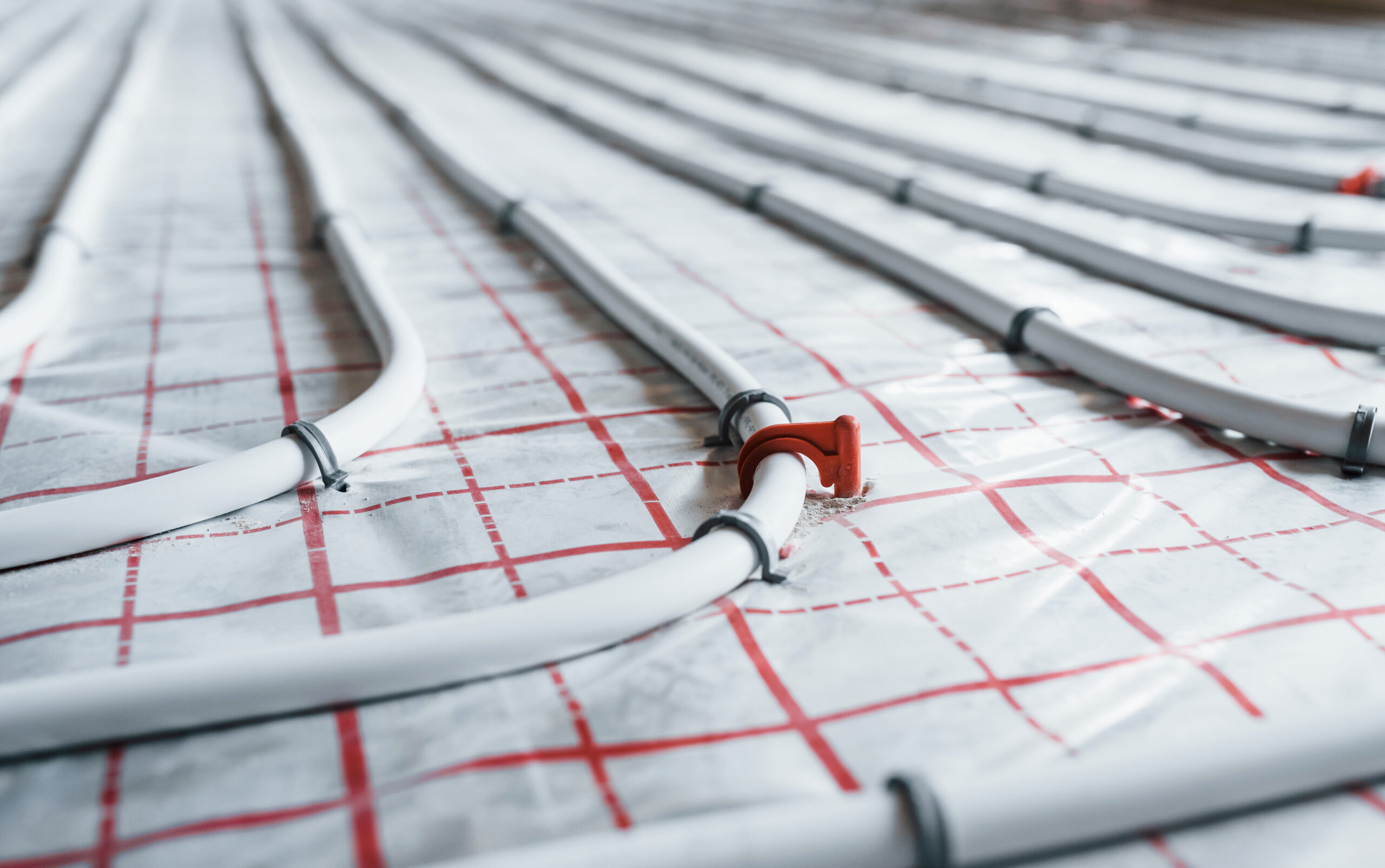
Underfloor heating works on the principle of radiant heat. Unlike conventional radiators that heat the air, underfloor heating directly heats the floor surface, which then radiates heat upwards, warming up the room evenly. There are mainly two types of underfloor heating systems: electric and water-based. Electric systems use heating cables, while water-based systems involve a series of pipes circulating warm water beneath the floor.
The installation of underfloor heating requires a series of tubes or electrical wires to be fitted beneath the floor. These heating elements are connected to a thermostat for easy control of the temperature. The system can be installed under various types of flooring, including tile, stone, wood, and even carpet, making it a versatile choice for any home or business in Eastbourne.
One of the key benefits of underfloor heating is that it operates at a lower temperature compared to traditional radiators. This is because the large surface area of the floor allows for even distribution of heat, thereby reducing the amount of energy required to warm up a room. This feature significantly contributes to the overall efficiency of the underfloor heating system.
The Advantages of Underfloor Heating Systems
There are many benefits to opting for underfloor heating, particularly in a place like Eastbourne, where comfort and energy efficiency are of high importance. Firstly, underfloor heating provides an even distribution of heat. This eliminates cold spots and creates a warm and comfortable environment. It also works silently, unlike some traditional systems that can be noisy.
Secondly, underfloor heating systems are energy-efficient. They require less energy to operate compared to traditional radiators, leading to reduced energy bills. This energy efficiency makes underfloor heating an environmentally friendly option, aligning with the growing trend towards sustainable living in Eastbourne.
Thirdly, underfloor heating provides more freedom in terms of interior design. Without the need for wall-mounted radiators, homeowners have more flexibility in arranging furniture and decorations. It also promotes a healthier environment by reducing dust circulation, which is beneficial for those with allergies.
Examining the Efficiency of Underfloor Heating in Eastbourne
The efficiency of underfloor heating in Eastbourne can be gauged by comparing its performance with traditional heating systems. The fact that underfloor heating operates at a lower temperature and still provides the desired warmth is a testament to its efficiency. This efficiency is beneficial not only for the environment but also for the residents as it leads to lower energy bills.
Eastbourne’s geographical location and climate are also factors that contribute to the efficiency of underfloor heating. Being a coastal town, Eastbourne has a milder climate compared to other parts of the UK. This means that the heating requirements are not as intense, allowing underfloor heating systems to work effectively and efficiently.
Furthermore, the adoption of underfloor heating in new builds and renovations in Eastbourne indicates the confidence in its efficiency. More and more homeowners and developers are opting for this modern heating solution, recognising its benefits in terms of comfort, energy efficiency, and cost savings.
Comparative Analysis: Underfloor Heating vs Traditional Heating
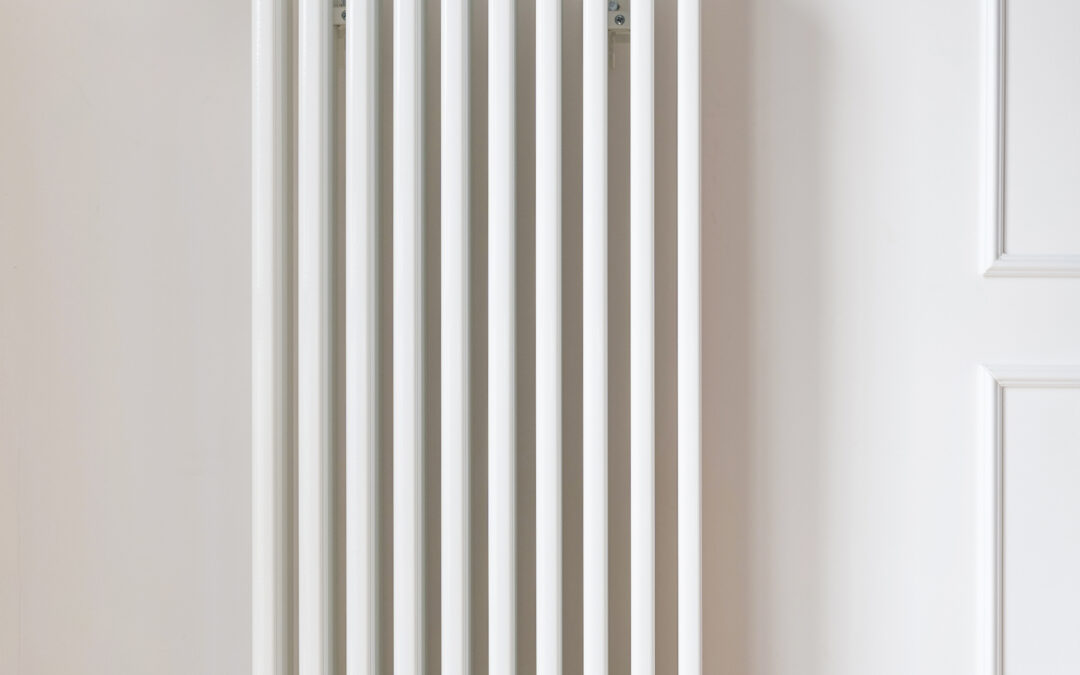
When comparing underfloor heating to traditional heating systems, several factors come into play. The first is comfort. Traditional radiators heat the air, which then rises to the ceiling, leaving the floor and lower sections of the room cooler. Underfloor heating, on the other hand, radiates heat upwards from the floor, providing a more comfortable and evenly heated environment.
In terms of energy efficiency, underfloor heating also outperforms traditional systems. It requires less energy to heat up the room, leading to lower energy bills. Moreover, underfloor heating systems are typically made with durable materials, requiring less maintenance than traditional radiators, which can incur regular repair and replacement costs.
Lastly, when it comes to design and aesthetics, underfloor heating wins hands down. Without the need for bulky radiators, homeowners have more freedom in arranging their interior space. It also contributes to cleaner air by reducing dust circulation, making it a healthier option.
Case Study: Real-Life Application of Underfloor Heating in Eastbourne
A real-life example of underfloor heating in Eastbourne can be found in a newly renovated seaside home. The owners opted for a water-based underfloor heating system during their renovation, seeing it as a long-term investment for comfort and energy efficiency. They reported that the system has performed excellently, providing consistent warmth throughout their home during the colder months.
The owners also noted significant savings in their energy bills since switching to underfloor heating. Despite the initial installation costs, they believe that the system will pay for itself in the long run through the savings generated. Moreover, they appreciated the additional space they gained from not having radiators, allowing them to maximise their interior design.
This case study is just one of many that highlight the benefits and efficiency of underfloor heating in Eastbourne. It demonstrates the potential of this modern heating solution in improving comfort and energy efficiency in homes and businesses in the region.
Understanding the Costs and Savings of Underfloor Heating
Installing underfloor heating involves an initial cost, which can be higher than traditional radiators. However, it is crucial to view this as a long-term investment. The savings generated from reduced energy bills can offset the initial cost over time. Moreover, underfloor heating systems are typically made with durable materials, requiring less maintenance and fewer replacements, leading to additional savings.
The cost of underfloor heating varies depending on the type of system (electric or water-based), the size of the area to be heated, and the type of flooring. It is advisable to get quotes from professional installers to understand the potential costs better. Remember to consider the ongoing savings in energy bills when evaluating the overall cost.
Government schemes such as the Renewable Heat Incentive (RHI) can also help offset the installation cost. This financial incentive encourages the use of renewable heat technologies, including certain types of underfloor heating systems. It’s worth exploring if you’re eligible for such schemes when considering underfloor heating.